
Surgical Sperm Retrieval
microTESE, PESA and TESE — finding sperm for IVF/ICSI, even against the odds
When no sperm are found in the semen, sperm can often still be collected directly from the epididymis or testicle and used with IVF/ICSI. Mr Wiseman was the first surgeon to offer microTESE in the East of England and has performed over 1,000 fertility operations.
The techniques
microTESE — microsurgical testicular sperm extraction
The most refined technique for non-obstructive azoospermia. Using an operating microscope at high magnification, the surgeon examines the testicular tissue and selectively removes only the tubules most likely to contain sperm. This gives the highest chance of success while removing the least tissue and best protecting the testicle's hormone function.
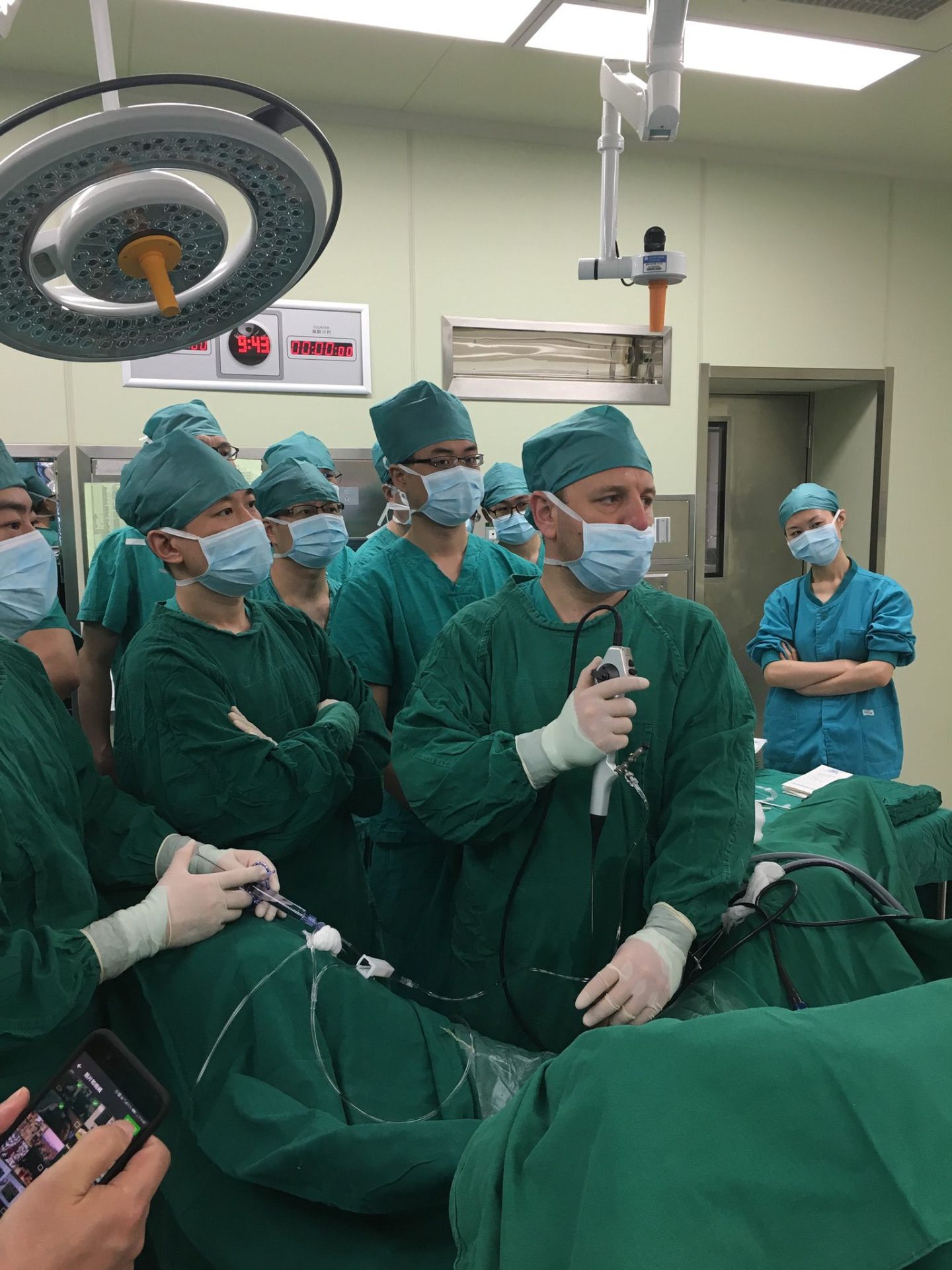
PESA — percutaneous epididymal sperm aspiration
A fine needle is used to aspirate sperm from the epididymis. It is well suited to men with obstructive azoospermia, such as after a vasectomy or with absent vas (CBAVD), where sperm production is normal.
TESE / TESA — testicular sperm extraction
Small samples of testicular tissue are taken to recover sperm. TESE can be used in both obstructive and some non-obstructive cases, and may be combined with other techniques.
How the day works
Surgical sperm retrieval is usually a day-case procedure under anaesthetic. The embryology team at Bourn Hall Clinic or Cambridge IVF examines the samples for sperm while you are cared for in recovery.
Recovery
Expect some swelling, bruising and discomfort for a few days, helped by rest, supportive underwear and simple pain relief. Most men return to normal activities within one to two weeks and receive clear aftercare advice.
A joined-up pathway
As both a urological surgeon and an andrologist working within an IVF clinic, Mr Wiseman can manage your care from diagnosis through to retrieval — keeping everything coordinated for you and your partner.
Frequently asked questions
What is the difference between microTESE, TESE and PESA?
PESA collects sperm by aspirating fluid from the epididymis with a fine needle, and is mainly used when there is a blockage (obstructive azoospermia). TESE takes small samples of testicular tissue. microTESE uses an operating microscope to search the testicular tissue precisely for the areas most likely to contain sperm, and is the preferred technique when production is reduced (non-obstructive azoospermia).
Why is microTESE better for non-obstructive azoospermia?
Under the microscope the surgeon can identify and sample only the tubules most likely to contain sperm. This means much less tissue is removed, there is less damage to the testicle and its hormone function, and the chance of finding sperm is higher than with conventional biopsies.
Is the procedure painful, and what is recovery like?
It is carried out under anaesthetic so you feel nothing during surgery. Afterwards there is usually some swelling and discomfort for a few days, eased by simple pain relief, supportive underwear and rest. Most men are back to normal activities within one to two weeks.
What happens to the sperm that are found?
Retrieved sperm are used with IVF and ICSI, where a single sperm is injected into an egg. Only a very small number of sperm are needed. Sperm are frozen for future cycles, and your partner will see the gynaecologist once we know whether we have any sperm available.
What anaesthetic is used, and how do I prepare?
Sperm retrieval is generally carried out under general anaesthetic. Sometimes, depending on the technique and your preference, local anaesthetic may be possible. Either way you should feel nothing during the procedure. You will be given clear instructions beforehand, and because it is done as a day case, you can go home the same day with someone to accompany you.
Are there any risks or complications?
Sperm retrieval is generally very safe. There can be some bruising, swelling and discomfort for a few days, and as with any procedure there is a small risk of bleeding or infection. microTESE is specifically designed to remove minimal tissue and protect the testicle’s hormone function, however the testicle can be smaller afterwards, and the testosterone can sometimes be lower. There is a very small risk that a testicle might be lost.
Can the procedure be repeated if needed?
Yes. If more sperm are required for a future IVF cycle, retrieval can usually be repeated. Freezing any sperm that are found at the first procedure often reduces the need for a further operation.
Ask about surgical sperm retrieval
Book a private consultation with Mr Oliver Wiseman, or arrange an NHS referral through your GP. Face-to-face, telephone and video appointments are available.